DrTutor |
Site blog

The financial sector is constantly evolving and adapting to new regulations and threats. As a result, financial institutions must stay ahead of the curve in terms of their training and education programs to ensure their employees are equipped to detect and prevent financial crimes. One way to do this is by converting traditional, lengthy training programs into shorter, more easily digestible digital modules.
In this article, we'll examine the key considerations for converting a 3-day financial crime course into a 45-minute SCORM-digital module and provide best practices for creating an effective and engaging learning experience.
Understanding Your Audience
The first step in creating an effective digital module is to understand your target audience.
Who will be taking the course? What is their level of expertise? What are their learning preferences?
By understanding your audience, you can tailor the content and delivery of the course to meet their needs and ensure they retain the information they need to do their jobs effectively.
Identifying the Most Critical Information
With a 3-day course, it can be tempting to include as much information as possible. However, when converting the course to a 45-minute SCORM-digital module, it's important to focus on the most critical information.
To determine what information is most critical, ask yourself:
What are the most common financial crimes your employees need to detect and prevent? What information do they need to know to do their jobs effectively?
Once you've identified the most critical information, you can focus on delivering that information in a clear and concise manner.
Using Interactive and Engaging Content
One of the biggest challenges of converting a 3-day course into a 45-min SCORM digital module is maintaining engagement. To overcome this challenge, it's important to use interactive and engaging content.
Consider using infographics, videos, and other multimedia elements to break up the text and keep the learner engaged. Interactive activities, such as quizzes and games, can also be used to reinforce the key concepts and ensure learners retain the information.
Providing Bite-Sized Pieces of Information
When delivering information in a digital module-SCORM, it's important to break it down into bite-sized pieces. This makes the information easier to digest and helps learners retain the information.
Consider using subheadings, bullet points, and other formatting techniques to break up the text and make the information more accessible.
Evaluating the Success of Your Digital Module
Once you've created your digital module, it's important to evaluate its success. Were learners able to retain the information? Did they find the module engaging and effective?
Consider using surveys, quizzes, and other evaluations methods to gauge the success of your digital module and make any necessary improvements.
Conclusion
Converting x-day financial crime course into a SCORM digital module can be a challenge, but by understanding your audience, focusing on the most critical information, using interactive and engaging content, and providing bite-sized pieces of information, you can create a successful and effective learning experience.

In this article, we'll examine the key considerations for developing a global leadership organization's learning strategy and content.
Understanding the Business Goals
The first step in creating an effective learning strategy is to understand the business goals. What is the organization trying to achieve through its leadership development program? Is the focus on improving leadership skills, promoting diversity and inclusion, or preparing leaders for new roles?
By understanding the business goals, you can ensure that the learning strategy and content align with the organization's priorities and meet its needs.
Identifying the Target Audience
The next step is to identify the target audience for the leadership development program. Who are the employees the organization is trying to reach? What is their level of expertise? What are their learning preferences?
By understanding the target audience, you can tailor the learning strategy and content to meet their needs and ensure they receive the information they need to be effective leaders.
Creating a Cohesive Learning Experience
With employees located all over the world, it's important to create a cohesive learning experience. To achieve this, consider using a blended learning approach that combines in-person training with online learning modules.
By using a blended approach, you can provide employees with a consistent and cohesive learning experience, no matter where they are located.
Providing Opportunities for Collaboration and Networking
Leadership development is not just about acquiring new skills, it's also about building relationships with other leaders. To foster collaboration and networking opportunities, consider incorporating team-building activities and networking events into the learning program.
These activities can help employees build relationships with their peers and gain new insights from other leaders in the organization.
Evaluating the Success of the Learning Strategy
Once the learning strategy and content have been developed, it's important to evaluate its success. Were employees able to acquire the skills and knowledge they need to be effective leaders? Did they find the learning experience engaging and effective?
Consider using surveys, quizzes, and other evaluations methods to gauge the success of the learning strategy and make any necessary improvements.
Conclusion
Developing a global leadership organization's learning strategy and content requires careful consideration of the business goals, target audience, and the need for a cohesive learning experience. By providing opportunities for collaboration and networking, and evaluating the success of the learning strategy, organizations can ensure their leadership development program is effective and meets the needs of their employees.

In today's fast-paced business environment, companies in the UK must continuously adapt and improve in order to stay ahead of the competition. This is where the learning and development (L&D) cycle comes in. It is a systematic process that enables organizations to identify and address the skills, knowledge, and abilities that their employees need in order to meet their current and future business objectives.
Understanding the Learning and Development Cycle
The L&D cycle is a continuous loop that starts with identifying the needs of the organization and its employees,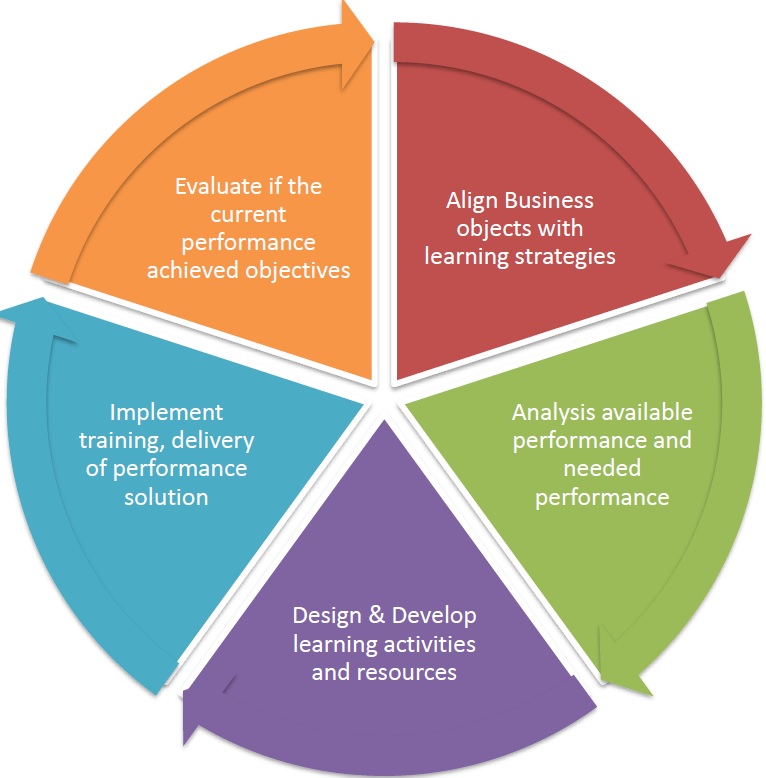 followed by planning and delivering appropriate training and development activities, evaluating the results, and finally, using the insights gained to improve the process.
The Importance of the Learning and Development Cycle
The L&D cycle provides numerous benefits to organizations and their employees, including:
- Improving the overall performance and productivity of the organization
- Enhancing employee skills and knowledge, leading to career advancement and personal growth
- Promoting a positive company culture and increased employee engagement and satisfaction
- Fostering a continuous improvement mindset and a commitment to lifelong learning
- Aligning employee development with the organization's overall goals and objectives
The Stages of the Learning and Development Cycle
- Identify: In this stage, organizations assess the current and future needs of the business, as well as the skills, knowledge, and abilities of their employees. This information is used to determine the specific training and development requirements.
- Plan: Based on the needs analysis, a training plan is developed that outlines the goals, objectives, content, and delivery methods for the training and development activities.
- Deliver: In this stage, the training and development activities are delivered to the employees, using methods such as classroom training, e-learning, coaching, and on-the-job training.
- Evaluate: The results of the training and development activities are measured and evaluated to determine their effectiveness in meeting the goals and objectives.
- Improve: Insights from the evaluation are used to improve the training and development process, ensuring that it continues to meet the evolving needs of the organization and its employees.
Best Practices for Implementing the Learning and Development Cycle
To ensure that the L&D cycle is effective and delivers the desired outcomes, organizations should follow these best practices:
- Involve employees in the process by soliciting their feedback and ideas for training and development activities
- Ensure that the training and development activities align with the overall goals and objectives of the organization
- Use a variety of delivery methods to accommodate different learning styles and preferences
- Regularly evaluate and improve the process to ensure that it remains effective and relevant
Conclusion
The learning and development cycle is a vital component of any successful organization. By continuously identifying and addressing the skills, knowledge, and abilities that employees need, companies in the UK can stay ahead of the competition and achieve their business objectives. Through a systematic process of needs analysis, planning, delivery, evaluation, and improvement, the L&D cycle enables organizations to foster a culture of continuous improvement and a commitment to lifelong learning.
It is important for companies to adopt best practices for implementing the L&D cycle, such as involving employees in the process, aligning training and development activities with overall goals, using a variety of delivery methods, and regularly evaluating and improving the process.
In conclusion, the learning and development cycle is an essential tool for companies looking to drive their business forward and ensure the success of their employees. By investing in the skills and knowledge of their workforce, organizations can achieve long-term growth and success.

The use of learning technology in the UK has increased dramatically over the past few years, as businesses recognize its potential to enhance employee skills and knowledge. With the rise of online learning platforms, e-learning courses, and other digital learning tools, UK organizations are finding innovative ways to support employee development and improve performance.
One of the key benefits of learning technology is its accessibility. Employees can access e-learning courses and other training materials from anywhere, at any time, making it much easier to fit learning into busy schedules. This is particularly useful for employees who are working remotely or who have unpredictable schedules, as they can access training materials when it suits them.
Another advantage of learning technology is its flexibility. E-learning platforms can be customized to meet the specific needs of different organizations and employees, making it possible to deliver training that is tailored to individual skill levels, learning styles, and areas of interest. This makes it much easier for organizations to provide training that is relevant and engaging, helping to ensure that employees are more motivated and focused on learning.
One of the biggest advantages of learning technology is its cost-effectiveness. By using e-learning platforms and other digital learning tools, organizations can save money on training materials, travel costs, and other expenses. This is particularly important in today's challenging economic climate, where businesses are looking for ways to cut costs and boost efficiency.
Another key benefit of learning technology is its ability to track and measure employee progress. With e-learning platforms and other digital learning tools, organizations can track the performance of individual employees and monitor the progress they are making in their learning journey. This information can be used to identify areas where additional support is needed and to develop targeted training programs to help employees achieve their full potential.
In addition, learning technology provides a valuable platform for collaboration and communication. Employees can use e-learning platforms to share information and ideas, collaborate on projects, and network with colleagues from different parts of the organization. This can help to build a strong sense of community within the workplace, fostering greater engagement and collaboration among employees.
Another important benefit of learning technology is its scalability. E-learning platforms and other digital learning tools can be scaled up or down to meet the changing needs of an organization, making it possible to adapt quickly to changing circumstances. This is particularly useful in today's fast-paced business environment, where organizations need to be able to respond quickly to new challenges and opportunities.
In conclusion, learning technology is having a major impact on the UK workplace, providing organizations with a cost-effective and flexible solution to enhance employee skills and knowledge.

DrTutor Elite is a comprehensive LMS marketplace that provides organizations with access to a wide range of high-quality, engaging and interactive eLearning courses. It offers a unique and innovative approach to learning and development, providing organizations with a simple and convenient way to access and manage training programs. Here are some of the key reasons why DrTutor Elite is the best LMS marketplace solution for organizations:
- High-Quality Courses
DrTutor Elite offers a wide range of high-quality eLearning courses that are designed to meet the needs of modern organizations. These courses are created by industry experts and are constantly updated to reflect the latest trends and developments in the field. With DrTutor Elite, organizations can be confident that they are providing their employees with the best possible training and development programs.
- Convenient Access
- Easy to Use
DrTutor Elite is designed to be user-friendly and intuitive, making it easy for organizations to manage and deliver training programs. The platform is simple to use and requires no technical skills, so organizations can start using it right away. With DrTutor Elite, organizations can focus on delivering high-quality training programs, without having to worry about the technicalities of managing an LMS.
- Customizable
DrTutor Elite provides organizations with the ability to customize their training programs to meet the specific needs of their employees. With the platform's flexible and customizable features, organizations can tailor their training programs to meet their unique requirements. This increased personalization can lead to more effective and engaging learning experiences, which can result in better learning outcomes.
- Cost-Effective:
DrTutor Elite offers organizations a cost-effective solution for managing and delivering training programs. With the platform's low cost of entry, organizations can save money on training delivery costs, while still providing their employees with high-quality training and development programs. Additionally, DrTutor Elite also offers a range of pricing options, so organizations can choose the best option that meets their needs and budget.
In conclusion, DrTutor Elite is the best LMS marketplace solution for organizations looking to invest in their workforce. With high-quality courses, convenient access, ease of use, customizable features, and cost-effectiveness, it's easy to see why DrTutor Elite is the top choice for organizations looking to stay ahead of the curve. Whether you're looking to improve your employee training and development programs, or simply looking for a more convenient and effective way to manage your learning initiatives, DrTutor Elite is the perfect solution.

LMS solutions are software platforms that manage and deliver online learning and training programs to organizations and their employees. They are designed to help organizations efficiently manage and track employee training, reduce the cost of training delivery, and improve the overall quality of employee learning and development.
Here are some of the key benefits of LMS solutions:
- Increased Accessibility:
With an LMS, learning and training programs are accessible from anywhere, at any time, on any device. This means that employees can learn and develop their skills at their own pace, on their own schedule, and from any location. This increased accessibility has made learning more convenient and effective, and has allowed organizations to reach a wider audience.
- Improved Tracking and Reporting:
LMS solutions provide detailed tracking and reporting features that allow organizations to monitor and assess the progress of their employees. This information is invaluable in tracking employee progress, determining training needs, and evaluating the effectiveness of training programs. This information can also be used to make informed decisions about future training programs and to improve the overall quality of employee learning and development.
- Better Collaboration:
Many LMS solutions have built-in collaboration features, such as discussion forums and virtual classrooms, which allow employees to work together and share information and ideas. This increased collaboration can lead to better learning outcomes and can also foster a positive learning community within the organization.
- Increased Personalization:
LMS solutions allow organizations to create and deliver customized learning and development programs that meet the unique needs of their employees. This increased personalization can lead to more effective and engaging learning experiences, which can result in better learning outcomes.
- Cost Savings:
LMS solutions can significantly reduce the cost of delivering training and development programs. By using an LMS, organizations can reduce the cost of printing, shipping and delivering training materials, as well as the cost of instructors and trainers. Additionally, LMS solutions can also reduce the cost of lost productivity associated with employees being away from their jobs for training.
In conclusion, LMS solutions are revolutionizing the way we learn and are becoming an essential tool for organizations looking to improve their employee training and development programs. With increased accessibility, improved tracking and reporting, better collaboration, increased personalization, and cost savings, it's easy to see why LMS solutions are becoming a popular choice for organizations looking to invest in their workforce.
However, it's important to note that not all LMS solutions are created equal. When choosing an LMS solution, it's important to consider the specific needs and goals of your organization, and to choose a solution that meets those needs. Factors to consider when choosing an LMS solution include user-friendliness, customization options, reporting capabilities, and integration with existing systems.
Additionally, it's important to regularly evaluate the effectiveness of your LMS solution and make any necessary changes or upgrades. This can be done by monitoring usage and engagement, gathering feedback from employees, and evaluating the impact of your LMS on your organization's overall learning and development initiatives.
In the fast-paced and ever-changing world of business, staying ahead of the curve is essential. By investing in LMS solutions, organizations can stay ahead of the curve and ensure their employees have the skills and knowledge they need to succeed. Whether you're looking to improve your employee training and development programs, or simply looking for a more convenient and effective way to manage your learning initiatives, an LMS solution is the perfect solution.

Developing Essential Competencies for Success: The Key to Career Advancement and Personal Growth, In today's fast-paced and ever-changing business world, having a set of essential competencies is critical for success. Competencies are defined as the skills, abilities, and knowledge that are required to perform a job effectively. In order to stay ahead of the curve, individuals must continuously develop and refine their competencies, which can help them achieve their professional and personal goals.
Here are some key competencies that individuals can focus on developing in order to achieve success:
- Communication Skills:
Effective communication is one of the most important competencies an individual can possess. Whether it's in a team meeting, a client presentation, or a one-on-one conversation, being able to articulate your thoughts and ideas clearly and persuasively is essential for success. Improving communication skills can also help individuals build stronger relationships and foster collaboration within their workplace.
- Emotional Intelligence:
Emotional intelligence refers to the ability to understand and manage one's own emotions, as well as the emotions of others. This competency is crucial for success, as it helps individuals build strong relationships, resolve conflicts, and make effective decisions. By developing emotional intelligence, individuals can also become better leaders, as they are better able to understand and motivate their team members.
- Critical Thinking and Problem Solving:
Critical thinking and problem solving are essential competencies that help individuals navigate complex situations and make informed decisions. These skills enable individuals to analyze situations objectively, identify the root cause of a problem, and find effective solutions. By continuously improving their critical thinking and problem solving skills, individuals can stay ahead of the curve and make a positive impact in their workplace.
- Adaptability:
Adaptability is the ability to change and adapt to new situations and challenges. In today's rapidly changing business world, being adaptable is essential for success. Individuals who are adaptable are better able to navigate change, find new opportunities, and overcome challenges. By continuously developing their adaptability skills, individuals can remain nimble and proactive in their careers.
- Leadership:
Leadership is a critical competency that enables individuals to inspire and motivate others to achieve their goals. By developing their leadership skills, individuals can create a positive work environment, build strong relationships, and drive results. Whether leading a team, a project, or a company, individuals who have strong leadership skills are well-equipped to achieve success.
In order to develop these essential competencies, individuals must embrace a growth mindset and continuously seek out opportunities to learn and grow. This can include attending workshops, taking online courses, participating in professional organizations, and seeking out mentorship and feedback from others.
By focusing on developing these key competencies, individuals can achieve their professional and personal goals and make a positive impact in their workplace. Whether you're just starting your career or looking to advance to the next level, developing essential competencies is the key to success. So embrace the journey, continuously seek out opportunities to learn and grow, and be well on your way to unlocking your full potential.

The world of work is rapidly evolving, and with it, the way we learn and develop. The past few years have seen significant shifts in the L&D industry, and it’s essential to stay ahead of the curve to remain competitive in the marketplace. As we approach 2023, it’s crucial to understand what L&D trends we can expect to see over the next year.
- Focus on Upskilling and Reskilling
The future of work is rapidly changing, and it's becoming more important than ever for employees to continuously update their skills to remain relevant. Upskilling refers to the process of acquiring new skills and knowledge, while reskilling refers to the process of learning an entirely new skill set. With advancements in technology and changing job requirements, employers are placing a strong emphasis on upskilling and reskilling their employees.
- Micro-Learning and Bite-sized Content
In a fast-paced world, employees often don’t have the time or energy to commit to lengthy training sessions. As a result, micro-learning and bite-sized content have become popular in L&D. This approach allows employees to consume learning materials in short bursts, making it easier for them to fit learning into their busy schedules. Micro-learning is an excellent way to deliver targeted, relevant content to employees, helping them to stay engaged and focused.
- Virtual and Augmented Reality
Virtual and augmented reality technologies are becoming more prevalent in the L&D world. These technologies provide an immersive and interactive learning experience, allowing employees to practice skills in a simulated environment. This type of learning is particularly useful for hands-on, experiential learning, and can be used for everything from soft skills training to technical training.
- Personalized Learning
Personalized learning is becoming a key trend in the L&D industry. This approach tailors learning content to the individual needs, preferences, and learning styles of each employee. Personalized learning can help employees to learn more effectively, and can also increase motivation and engagement. Personalized learning is typically delivered through a combination of technology, coaching, and mentoring.
- Artificial Intelligence and Machine Learning
Artificial intelligence (AI) and machine learning are becoming increasingly prevalent in L&D. AI can be used to analyze data on employee learning and performance, and provide personalized recommendations for learning and development opportunities. Machine learning algorithms can also be used to personalize content delivery, ensuring that employees receive learning materials that are relevant and effective for their individual needs.
- Gamification
Gamification is the use of game design techniques in non-game contexts, such as learning and development. By incorporating elements of gaming, such as rewards and challenges, into the learning experience, employees can become more engaged and motivated to learn. Gamification can also help to make learning more interactive and enjoyable, which can lead to improved retention and recall of information.
- Increased Use of Video
Video is becoming a key tool in the L&D industry, offering an engaging and accessible way to deliver learning content. Videos can be used for everything from soft skills training to technical training, and can be delivered through a variety of platforms, including online learning management systems and social media. Video content is particularly effective for visual learners, and can be a valuable tool for delivering information that is hard to grasp through written or verbal means.
- Focus on Employee Well-being
The importance of employee well-being is becoming increasingly recognized in the L&D industry. Employers are looking for ways to support their employees’ physical and mental health, as well as their overall well-being.
As a result, L&D programs are starting to include well-being components, such as mindfulness training, stress management, and physical fitness. By investing in the well-being of their employees, companies can create a positive and supportive work environment, which can lead to improved morale, engagement, and productivity.
- Blended Learning
Blended learning is becoming a popular approach in the L&D industry, as it combines the best of traditional and modern learning methods. Blended learning typically involves a combination of in-person training, online learning, and experiential learning, allowing employees to receive a well-rounded learning experience. This approach can also be customized to meet the individual needs and preferences of each employee.
- Social Learning
Social learning refers to the process of learning from others through social interaction and collaboration. Social learning can take place in a variety of formats, including online forums, discussion groups, and team-based projects. This approach to learning is becoming more prevalent in L&D, as it can help employees to build relationships, share ideas, and collaborate with others.
In conclusion, the L&D industry is evolving quickly, and it’s crucial to stay ahead of the curve to remain competitive. The trends outlined above represent some of the key areas of focus in the L&D industry over the next year, and it’s essential to understand and prepare for these changes. By embracing these trends, organizations can create effective and engaging L&D programs that will help their employees to grow and succeed.

1- Microlearning
Microlearning is a concept that involves delivering bite-sized learning modules in the form of videos, infographics, or short quizzes. This approach to learning is designed to cater to the busy schedules of employees and enable them to learn quickly and effectively. Microlearning also provides employees with the opportunity to retain information better as they are exposed to it for shorter periods.
2- Personalized Learning
Personalized learning has gained traction in recent years as organizations seek to provide their employees with training tailored to their individual needs and learning styles. Personalized learning solutions, such as eLearning, allow employees to select their own learning paths based on their goals, preferences, and current skill level. This approach to learning has been shown to increase employee engagement, motivation, and overall learning outcomes.
3- Virtual Reality
Virtual reality (VR) is rapidly becoming a popular tool for training and development in various industries, including healthcare, manufacturing, and retail. VR allows employees to experience hands-on training in a simulated environment, making it an ideal tool for tasks that are difficult to perform in real-life scenarios. This type of training provides employees with the opportunity to make mistakes and learn from them in a safe environment, reducing the risk of accidents and injuries on the job.
4- Gamification
Gamification refers to the use of game mechanics and design in non-game contexts, such as learning and development. This approach to learning is designed to make learning more engaging and enjoyable for employees. Gamification has been shown to increase employee engagement, motivation, and knowledge retention, making it an effective tool for organizations looking to enhance their employee's learning and development.
5- Artificial Intelligence
Artificial intelligence (AI) is revolutionizing the way we approach learning and development. AI-powered solutions can provide employees with customized learning experiences based on their preferences, goals, and skill level. Additionally, AI-powered solutions can track employee progress, provide instant feedback, and make recommendations for further learning opportunities. This technology can significantly improve the efficiency and effectiveness of eLearning programs.
6- Blended Learning
Blended learning is a method of learning that combines traditional face-to-face training with eLearning. This approach provides employees with the best of both worlds, allowing them to receive hands-on training and support from an instructor, while also leveraging the convenience and flexibility of eLearning. Blended learning has been shown to increase employee engagement, motivation, and knowledge retention, making it an ideal solution for organizations looking to enhance their employee's learning and development.
In conclusion, eLearning has become an increasingly popular method of delivering training and education to employees, and there are a number of trends and insights that organizations can leverage to enhance their employee's learning and development. Whether it's through personalized learning, virtual reality, gamification, artificial intelligence, or blended learning, eLearning provides organizations with a wealth of opportunities to enhance their employee's skills and knowledge. By staying up-to-date on the latest eLearning trends and L&D insights, organizations can ensure that they are providing their employees with the best possible learning and development experiences.

In today's fast-paced and ever-evolving business world, staying up-to-date with the latest trends and best practices in corporate learning and development (L&D) is more important than ever. From new technologies and innovative approaches to learning, to changing regulations and shifting workforce demographics, there are countless factors that can impact the success of your organization's L&D programs.
- One of the best ways to stay informed and ahead of the curve is to regularly read the Chief Learning Officer (CLO) blog. This blog provides insights and news on the latest trends and best practices in corporate L&D, covering a wide range of topics that are critical to the success of any organization's learning and development efforts.
- Whether you're a seasoned learning professional, or just starting out in the field, the CLO blog is an indispensable resource for anyone who wants to stay on top of the latest developments and insights in corporate L&D. Here are just a few of the key topics that you can expect to find covered on this blog:
- Emerging trends and technologies: From virtual and augmented reality to artificial intelligence and machine learning, the CLO blog keeps you up-to-date with the latest innovations in corporate L&D.
- Best practices and case studies: The blog regularly features in-depth case studies and success stories from organizations around the world, providing valuable insights into what works and what doesn't when it comes to L&D.
- Workforce development and talent management: The CLO blog covers a wide range of topics related to workforce development and talent management, including skills training, performance management, and employee engagement.
- Leadership and strategy: The blog provides expert insights and practical advice on how to be an effective learning leader, including tips on developing effective L&D strategies, building a culture of learning, and leading change within your organization.
- Regulatory and compliance issues: With changing regulations and compliance requirements, staying up-to-date with the latest developments in these areas is critical to the success of any L&D program. The CLO blog provides regular updates and analysis on key regulatory and compliance issues.
In conclusion, the Chief Learning Officer blog is an invaluable resource for anyone who is serious about staying ahead of the curve in corporate learning and development. Whether you're looking for the latest trends and technologies, practical advice on how to be an effective learning leader, or simply want to stay informed about the latest developments in the field, this blog is a must-read for anyone who is passionate about L&D.
So if you're ready to take your L&D skills and knowledge to the next level, make sure to add the CLO blog to your regular reading list today!